
Earn Your Ijazah Online — 1-on-1, with a Qualified Teacher
An Ijazah isn’t a course certificate. It’s a teacher’s formal recognition that your recitation meets a defined standard — in a specific reading, judged by a teacher who holds that authorization themselves.
At Quranytime Academy, you can work toward an Ijazah online in live, one-to-one lessons with Al-Azhar graduates and Ijazah holders. You recite to your teacher, you’re corrected verse by verse, and you keep going until your reading is ready to be assessed. Start with 3 free trial classes and talk your goal through with a teacher before you commit to anything.

Who this is for
Students with strong Tajweed who want it formally recognized. You already read fluently, and you want your recitation assessed against a defined standard in a named reading, such as Hafs ‘an ‘Asim.
Huffaz who want a Hifz Ijazah. You’ve memorized the Quran — or most of it — and you want to recite it from memory to a qualified teacher for assessment.
Teachers and serious students. You already teach the Quran, or plan to, and you want the authorization that lets others trust your recitation.
Sisters who want an Ijazah with a female teacher. Learn — and be assessed — with a qualified female Ijazah holder, in private one-to-one lessons. See our female Quran teachers.
Students of the classical texts. You’re after an Ijazah in a matn such as Tuhfat Al-Atfal or Al-Muqaddimah Al-Jazariyyah, alongside your recitation.
And if you’re a beginner? Then an Ijazah isn’t your first step — and any honest program will tell you so. Start with reading and Tajweed, and talk about the Ijazah path once a teacher has assessed your level. The free trial is that assessment.
Ijazah pathways
There’s no single Ijazah. The right pathway depends on your level, your goal, and the reading you want certified. These are the pathways to discuss with your teacher in the trial — not a menu with fixed prices or fixed weeks:
- Ijazah in recitation (Hafs ‘an ‘Asim) — you recite the Quran from the Mushaf to your teacher, Tajweed corrected throughout, until the full reading meets the assessment standard. This is where most students start.
- Hifz Ijazah (recitation from memory) — for students who have memorized the Quran: recitation from memory, with revision (Murajaah) built into the plan. See our Hifz program.
- Advanced readings — for students who already hold an Ijazah in one narration and want to add another, such as Warsh through Nafi’.
- Ijazah in the classical texts (mutun) — Tuhfat Al-Atfal and Al-Muqaddimah Al-Jazariyyah, studied and recited with a qualified teacher.
Whatever the pathway, one thing never changes: your teacher listens to you recite, corrects you directly, and tracks your errors. Not a recorded course. Not a multiple-choice test. That’s what an Ijazah has always meant — and it’s what the online format has to preserve.
How it works
1. Book your free trial. Request 3 free trial classes and say your goal is an Ijazah, and which pathway interests you. In the trial, your teacher assesses your reading — pronunciation, Tajweed, fluency — and tells you honestly where you stand.
2. Get your plan. Together, you agree the reading, the recitation or memorization schedule, and the assessment standard. There’s no fixed timeline, and we’d rather say that plainly: how long it takes depends on your foundation, your practice, and the standard being assessed. Be wary of any program that promises everyone an Ijazah in a set number of weeks.
3. Recite, correct, repeat. Live one-to-one lessons at times that fit your week. You recite; your teacher corrects; you practise between lessons and bring the same passages back until they’re solid.
4. Final assessment. When your teacher judges your recitation ready, you’re assessed on the full scope of the pathway — the reading, the standard, and whether it’s from the Mushaf or from memory — all agreed in advance, in writing.
5. Documentation. Before you start, ask your teacher what the documentation covers: the reading, the narration, and whether a sanad (chain of transmission) is recorded. An attendance certificate is not an Ijazah — and this page won’t pretend otherwise.
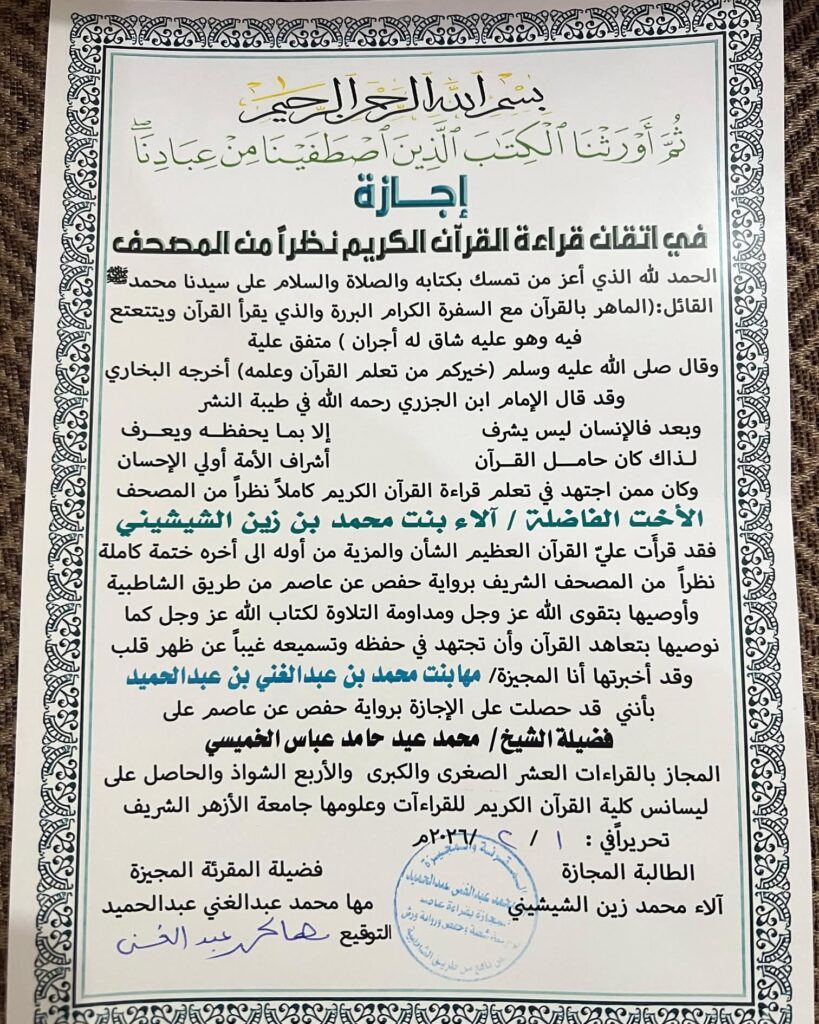
Learn from teachers who hold Ijazah themselves
An Ijazah is passed from teacher to student — that’s the whole point of it. Quranytime’s team includes Al-Azhar graduates and teachers who hold Ijazah in Quranic and Islamic studies. See the full team, with all profiles, on Meet Our Teachers. Among them:
 Sheikh Abdullah Ahmed — has memorized the full Quran and holds an Ijazah in the recitation of Imam ‘Asim through both the Shu’bah and Hafs narrations.
- Maha Gohar — more than 20 years teaching Quran memorization, Tajweed and Islamic jurisprudence. She holds Ijazahs in the recitation of Imam Asim through Hafs and Shu’bah and Imam Warsh through Nafi’, along with Ijazahs in Tuhfat Al-Atfal and Al-Muqaddimah Al-Jazariyyah.
- Wafaa Ahmed — a Master’s degree in Quranic Sciences, with ijazahs in Noor Al-Bayan, Al-Noorania and Matn Al-Jazariyah. She teaches children and women.
- Nouralhoda Abdel Basset — holds an Ijazah in the Quran in the Hafs ‘an ‘Asim narration, with six years of online teaching experience.
- Heba Hammad — holds Ijazahs in the Hafs and Shu’bah recitations, and Ijazahs in teaching Islamic Sciences and Arabic.
- Alaa Yunus — a graduate of Al-Azhar University’s Faculty of Islamic and Arabic Studies, holding an Ijazah in the recitation of Asim.
- Ms. Azza Omar Ibrahim — holds an Ijazah in Tuhfat al-Atfal and an Ijazah in the Quran in the Hafs and Shu’bah narrations from Asim.
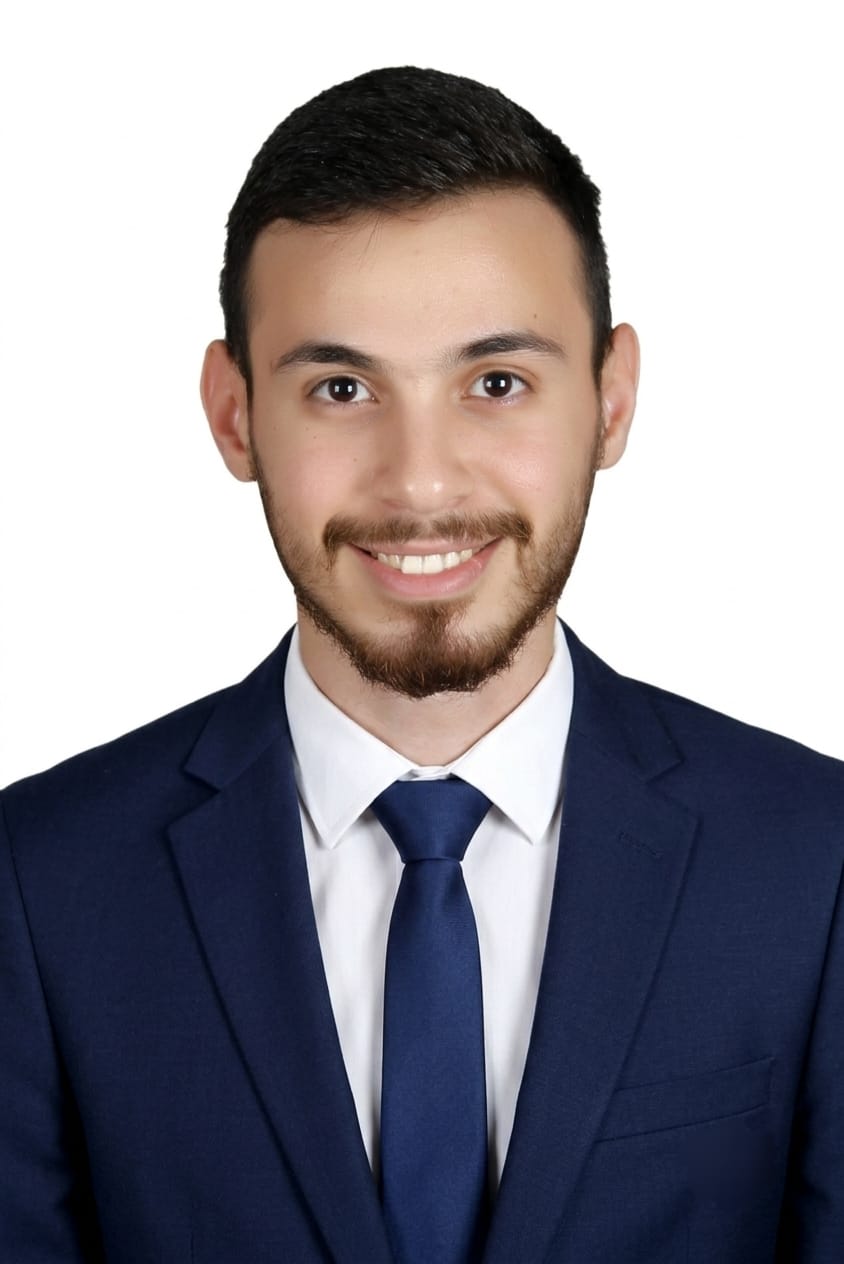 Sheikh Abdullah Ahmed — has memorized the full Quran and holds an Ijazah in the recitation of Imam ‘Asim through both the Shu’bah and Hafs narrations.
 Maha Gohar — more than 20 years teaching Quran memorization, Tajweed and Islamic jurisprudence. She holds Ijazahs in the recitation of Imam Asim through Hafs and Shu’bah and Imam Warsh through Nafi’, along with Ijazahs in Tuhfat Al-Atfal and Al-Muqaddimah Al-Jazariyyah.
 Wafaa Ahmed — a Master’s degree in Quranic Sciences, with ijazahs in Noor Al-Bayan, Al-Noorania and Matn Al-Jazariyah. She teaches children and women.
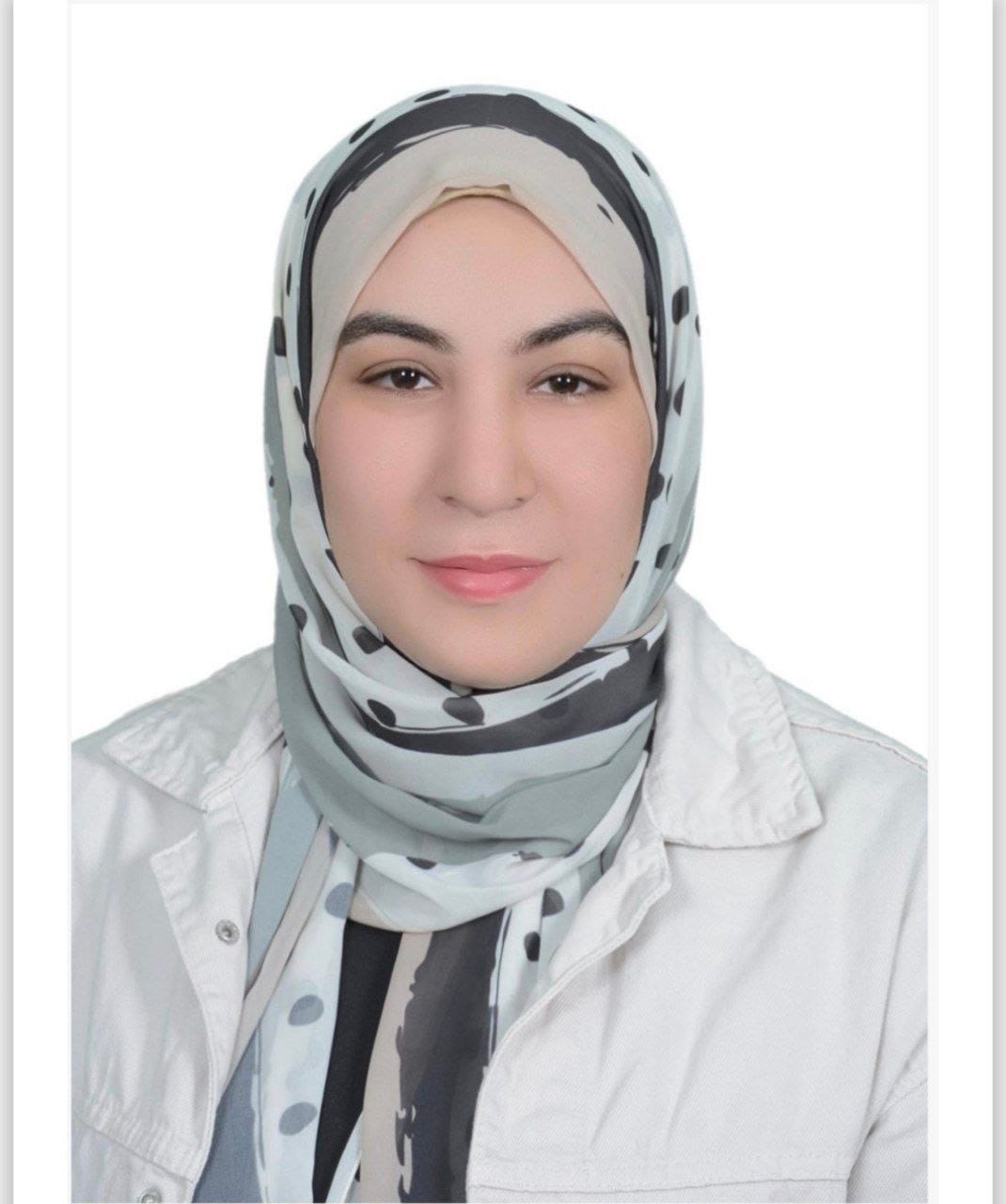 Nouralhoda Abdel Basset — holds an Ijazah in the Quran in the Hafs ‘an ‘Asim narration, with six years of online teaching experience.
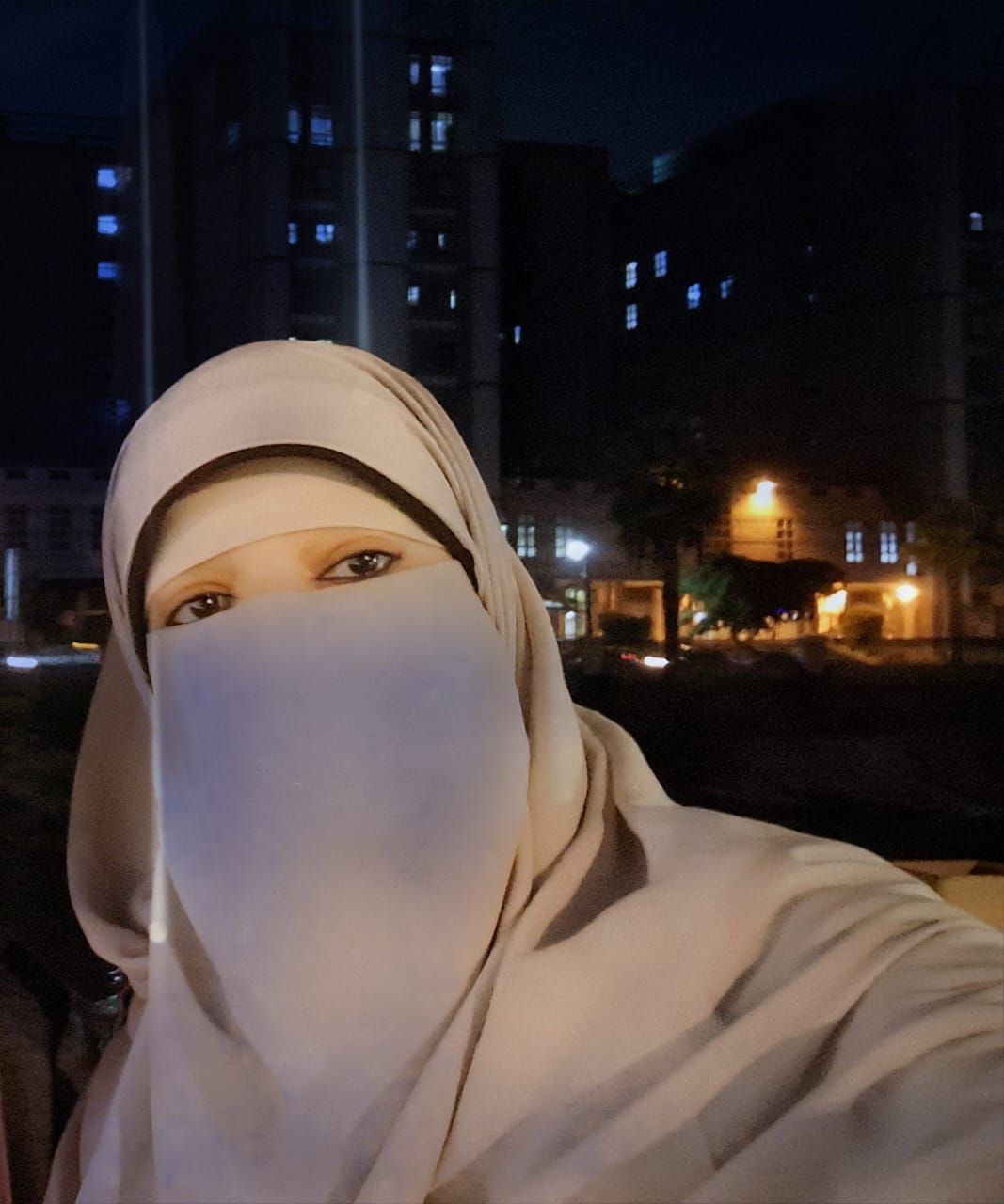 Heba Hammad — holds Ijazahs in the Hafs and Shu’bah recitations, and Ijazahs in teaching Islamic Sciences and Arabic.
 Alaa Yunus — a graduate of Al-Azhar University’s Faculty of Islamic and Arabic Studies, holding an Ijazah in the recitation of Asim.
Every Quranytime teacher is qualified — the team includes Al-Azhar graduates and Ijazah holders — and the academy has been teaching for more than 10 years.
Ijazah vs sanad — in one paragraph
An Ijazah is the authorization itself. A sanad is the chain of transmission — the named line of teachers through whom the reading was handed down. An Ijazah may record a sanad, but the two words aren’t interchangeable, and not every Ijazah covers every reading. We explain it in full here: Ijazah in Quran Recitation: Meaning & What It Certifies.
Common questions
How do I get an Ijazah online?
Find a qualified teacher who holds the authorization for the reading you want, recite to them regularly in live lessons, and be assessed when your teacher judges you ready. The lessons are online; the standard is the same as in person — a teacher listening to you and correcting you. Start with a free trial assessment to establish your level.
How long does it take to get an Ijazah?
There’s no single timeline. It depends on your foundation, how much you practise, and the assessment standard for the reading you’ve chosen. A reliable program sets expectations only after evaluating your level — which is exactly what the free trial assessment is for.
Do I need to memorize the Quran for an Ijazah?
Not necessarily. Some pathways assess recitation from the Mushaf; others require recitation from memory — a Hifz Ijazah. Confirm the prerequisites for your specific reading and teacher before you start.
What is the difference between an Ijazah and a sanad?
An Ijazah is the authorization — the certification itself. A sanad is the chain of teachers through whom the reading was transmitted. An Ijazah may record a sanad, but one doesn’t automatically mean the other. Ask the teacher what the document actually states.
How much does an Ijazah program cost?
Ijazah lessons cost the same as every Quranytime lesson: $7 per hour, one-to-one. Most Ijazah students take 2 classes a week — $28/month for 30-minute classes, or $56/month for 1-hour classes — and your teacher will recommend the right pace for your pathway after the free assessment. What we won’t do is quote a fixed total for the whole Ijazah: that depends on your starting level and how consistently you practise — and any school that promises a fixed price and a fixed finish date is selling you the certificate, not the recitation. See our courses page for everything we teach.
Can I study for an Ijazah with a female teacher?
Yes. Female teachers on the team hold Ijazah credentials, and sisters can request a female teacher for Ijazah study. See our female Quran teacher page.
Do I need an Ijazah to learn Quran?
No — most students learn reading, Tajweed and memorization without ever pursuing one, and that’s a complete goal on its own. An Ijazah is a more specialized step, for learners who want formal recognition in a specific recitation. If you’re a beginner, steady, accurate learning comes first.