Three Speeds of Quran Recitation: Tahqiq, Tadwir & Hadr
Compare the common Quran recitation pace labels, understand where Tartil fits, and practise at a clear pace with teacher-led feedback.

Compare the common Quran recitation pace labels, understand where Tartil fits, and practise at a clear pace with teacher-led feedback.

The best online Quran classes in South Africa depend on how you want to learn. Live one-to-one lessons with a credentialed teacher suit children and
Understand the common Lahn Jali and Lahn Khafi distinction, practise a careful example, and use teacher feedback to decide what to correct next.
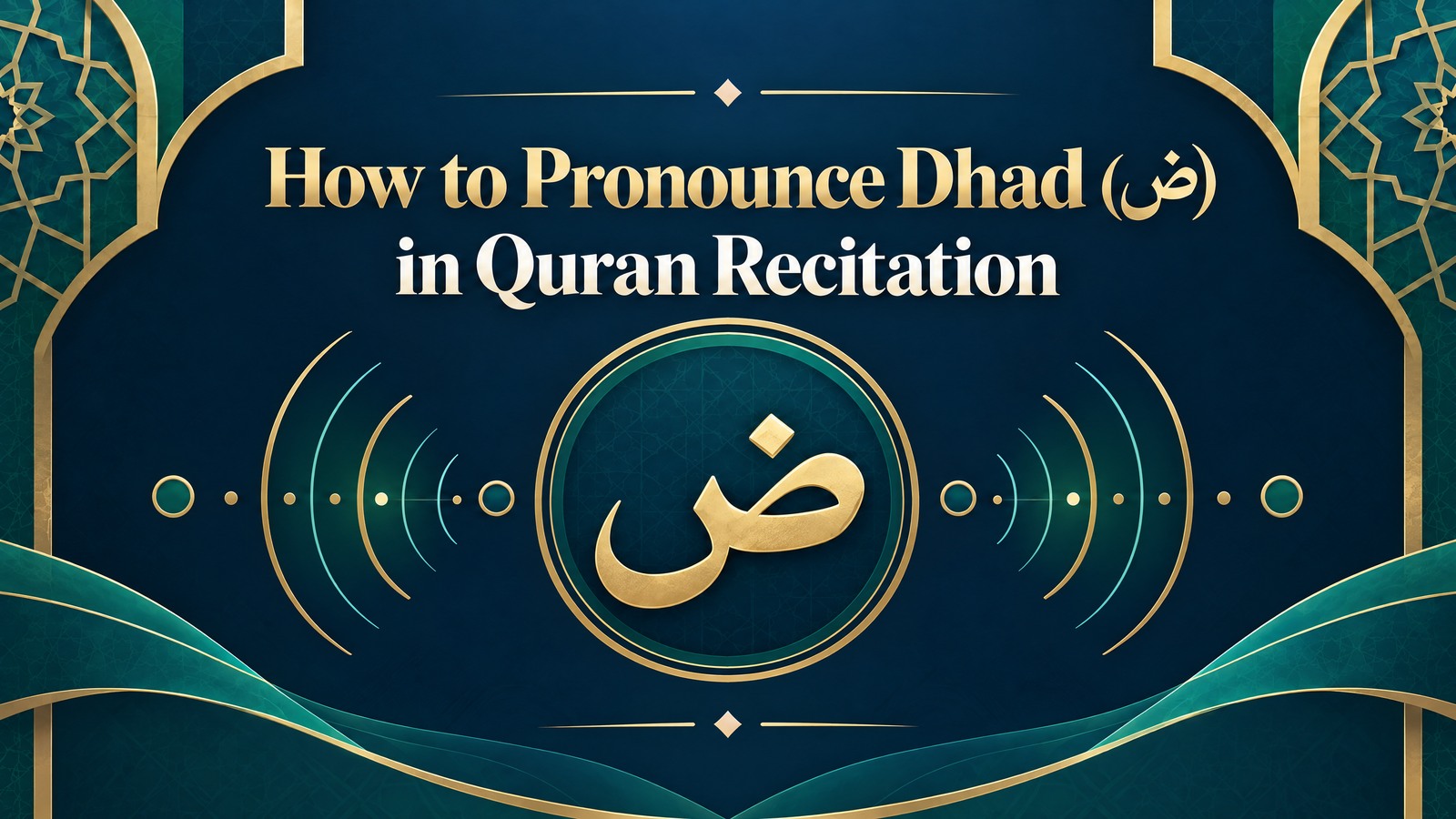
Learn where ض is pronounced, distinguish Dhad from Daal and Dhaa, practise Quran examples, and use a short listening routine without forcing the sound.
Learn what Sifaat al-Huruf means, how letter qualities differ from Makharij, and practise three useful Tajweed contrasts with a short listening routine.
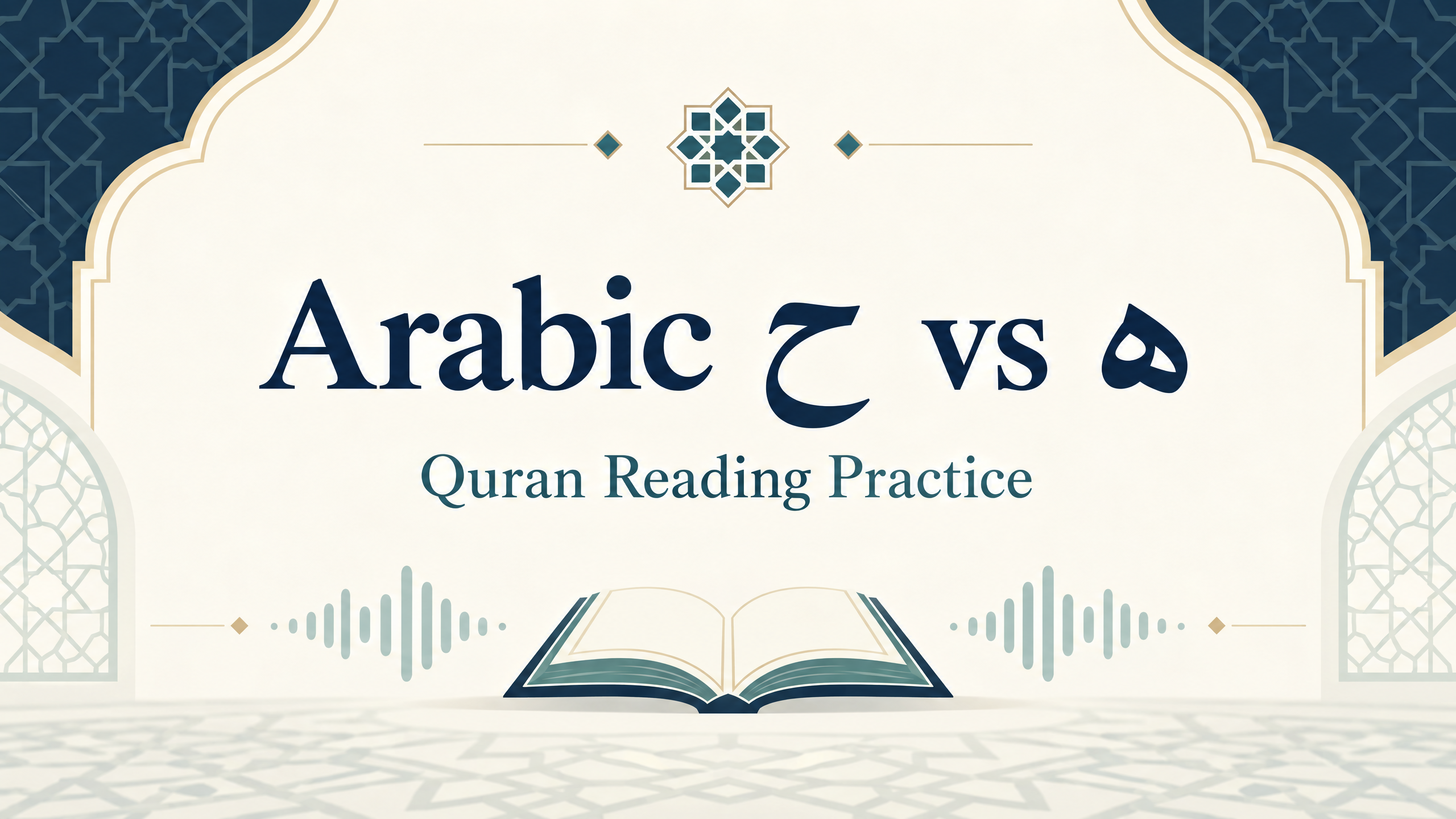
Learn how Arabic ḥāʾ (ح) differs from hāʾ (ه) with a clear articulation comparison, Quran examples, and a gentle listening routine for learners.
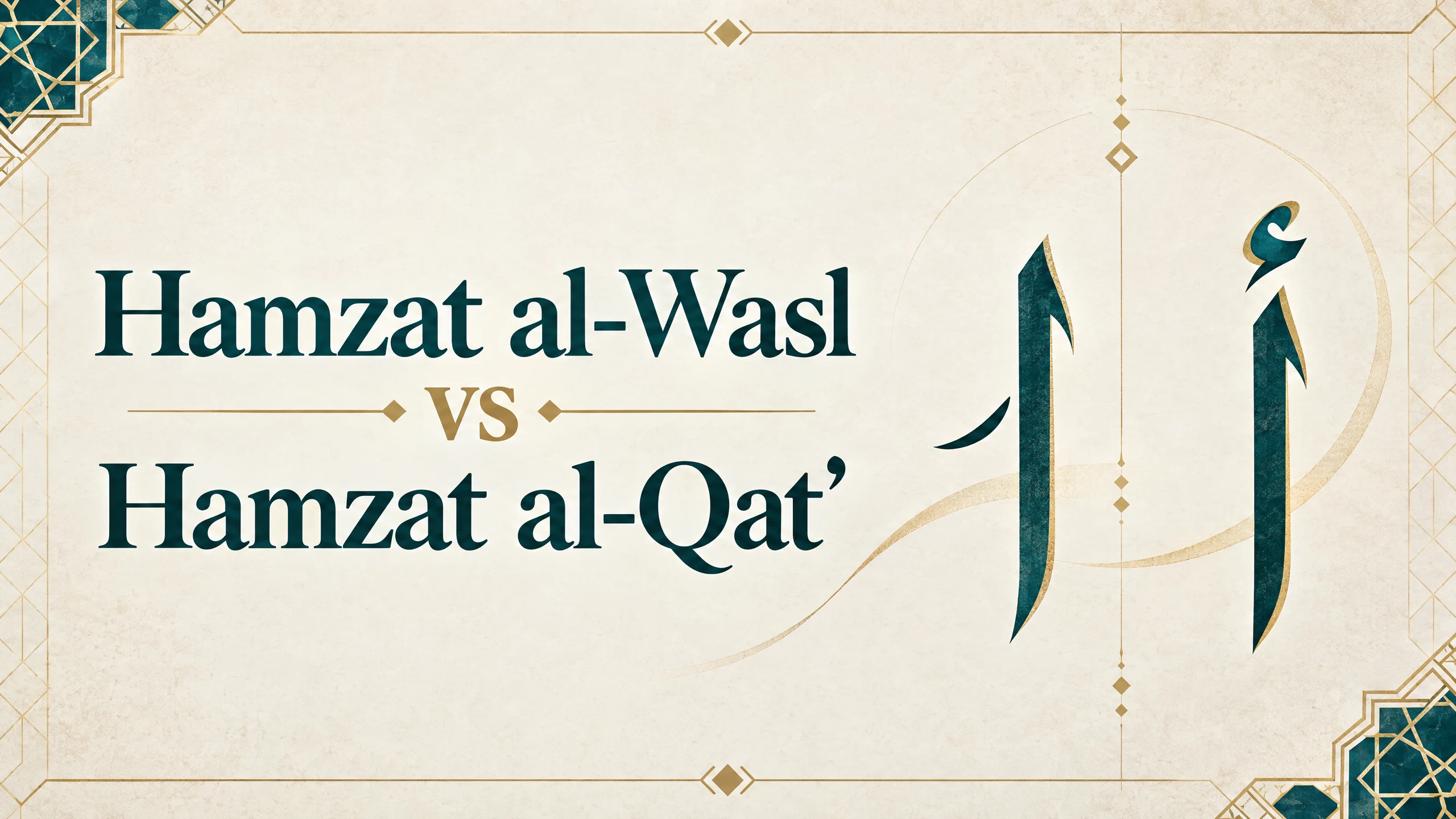
When two Arabic words run together in Quran recitation, an initial hamza may either disappear from the sound or remain clear. The key distinction is
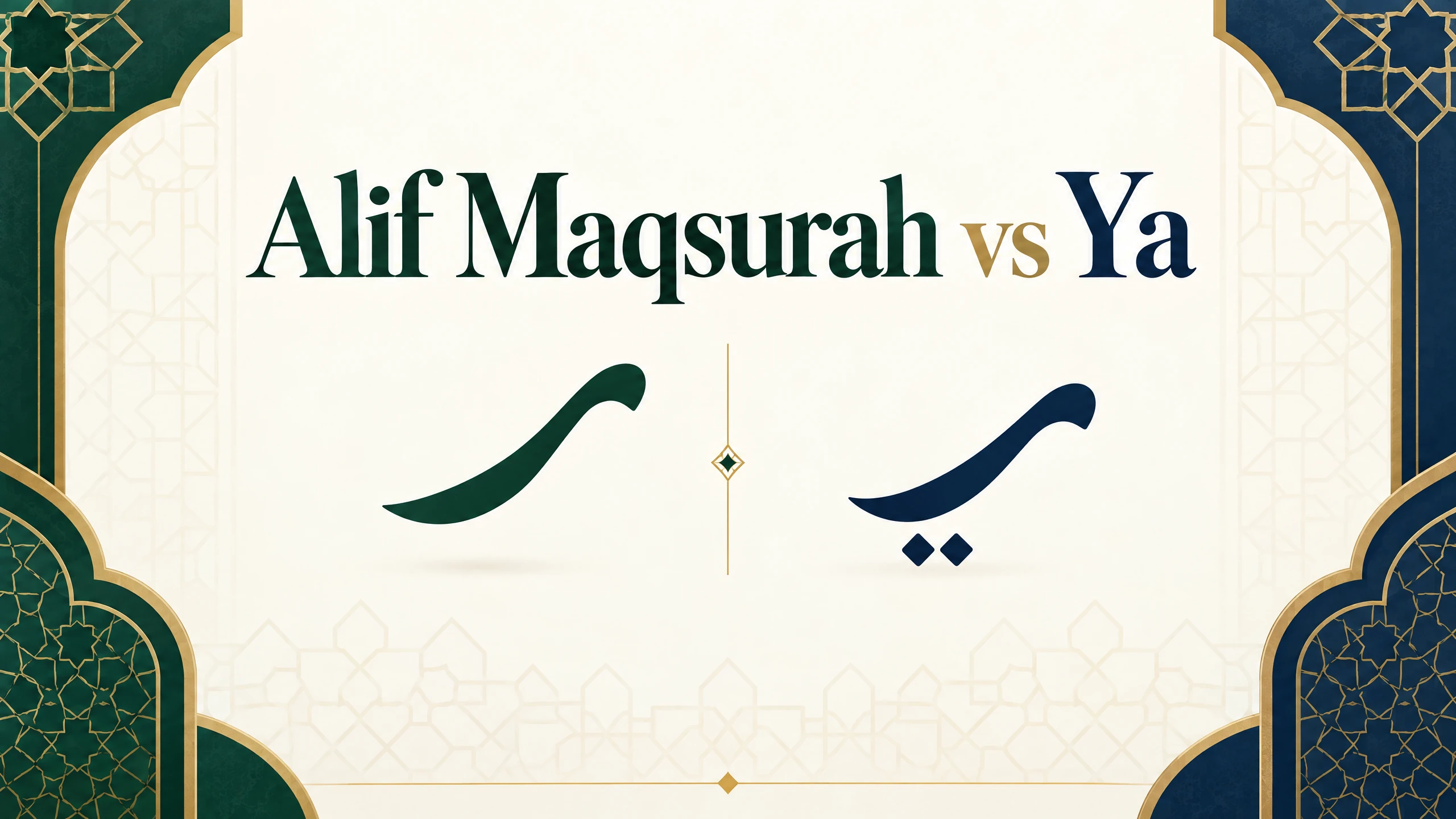
The Arabic shapes ى and ي look similar, so it is easy to mistake one for the other when reading or typing Quranic Arabic. They
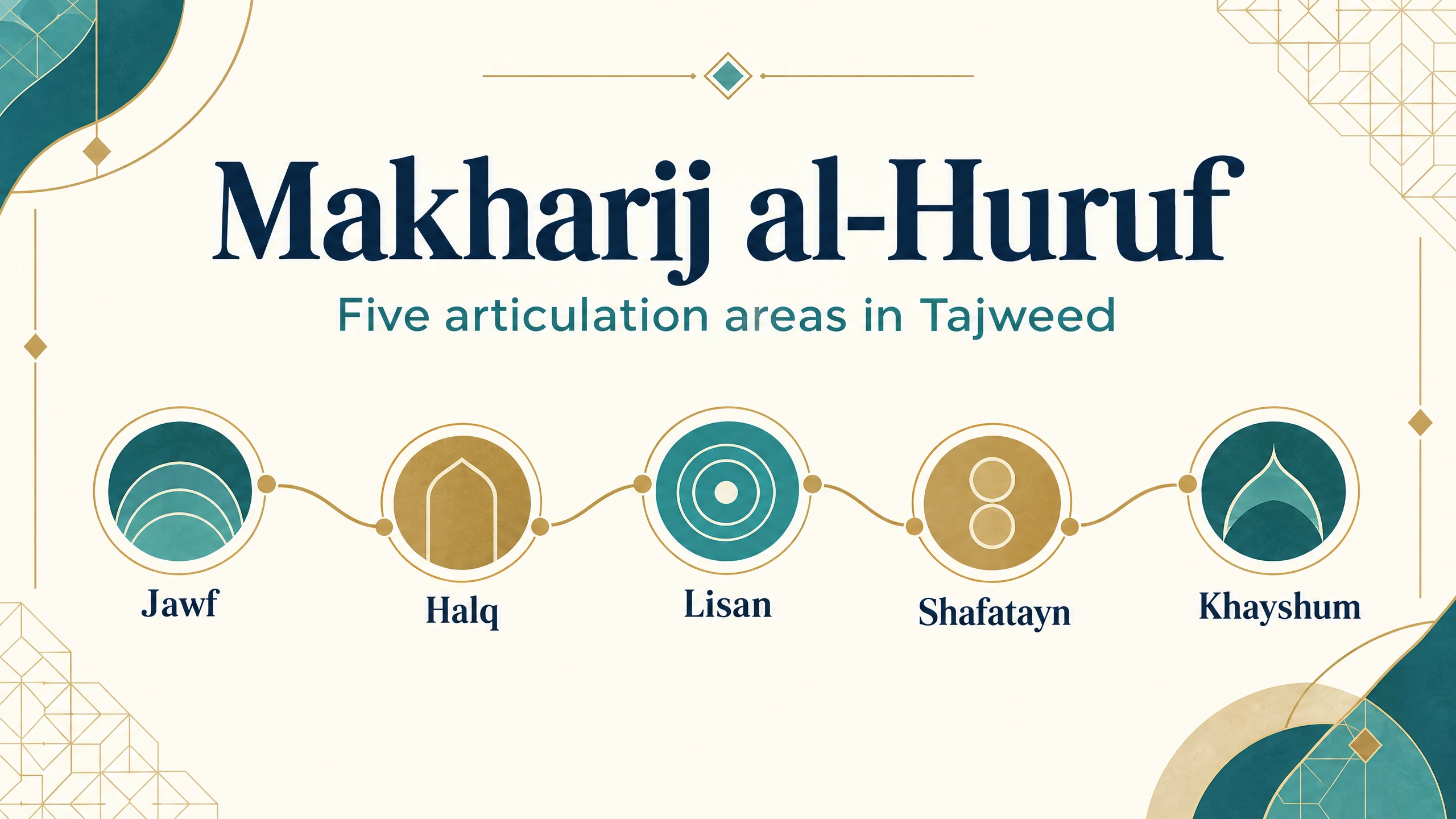
Makharij al-huruf (مَخَارِجُ الْحُرُوفِ) are the articulation points from which Arabic letters are formed. In Tajweed, learning each makhraj—the singular of makharij—helps you distinguish sounds
